Johnson & Johnson will acquire Firefly Bio for $1 billion, adding the Firelink™ degrader antibody conjugate platform to its oncology pipeline. The deal expands J&J’s KRAS cancer research portfolio with next‑generation protein degradation technology targeting difficult‑to‑treat solid tumors.
Written By: Samiksha Jadhav, BPharm
Reviewed By: Pharmacally Editorial Team
Johnson & Johnson has agreed to acquire Firefly Bio, Inc. for $1 billion in cash, adding a novel protein degradation platform to its oncology pipeline and expanding its presence in targeted cancer therapeutics. The deal brings Firefly’s proprietary Firelink™ degrader antibody conjugate (DAC) technology and a portfolio of preclinical candidates focused on KRAS‑driven tumors, one of the most challenging areas in cancer drug development. The transaction is expected to close later this year, subject to regulatory approvals and customary conditions.
Firelink Platform Targets KRAS‑Driven Cancers
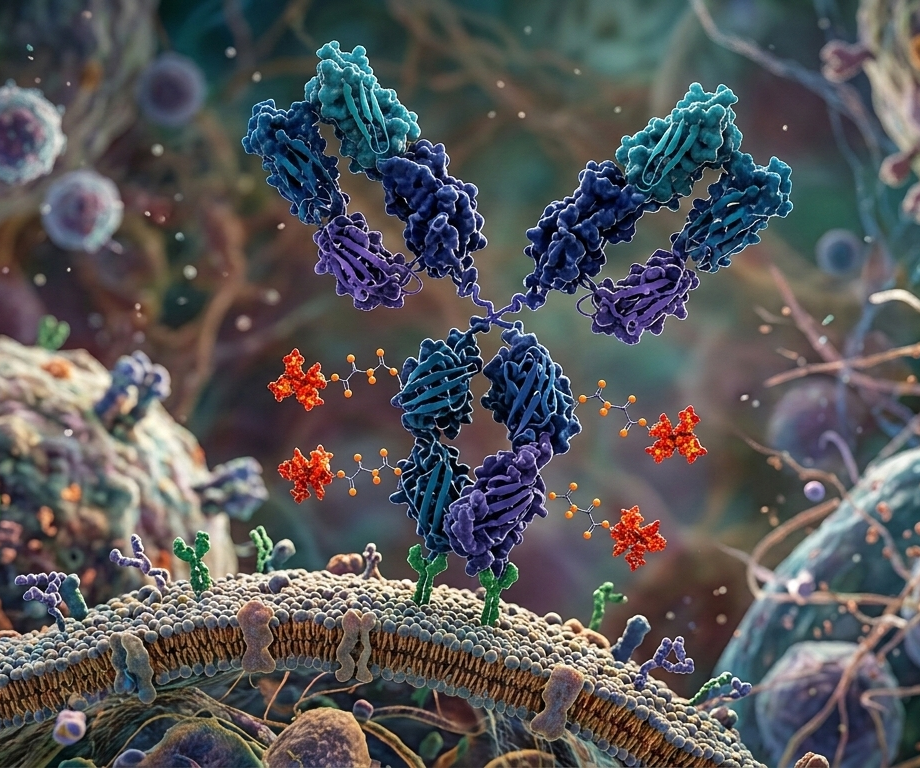
The Firelink™ DAC platform combines antibody‑based targeting with selective protein degradation, an emerging therapeutic approach designed to eliminate disease‑driving proteins inside cancer cells. Unlike conventional antibody therapies that block signaling or deliver cytotoxic payloads, Firelink is engineered to transport highly selective protein degraders directly to tumor cells while limiting exposure to healthy tissue. This strategy may help overcome resistance mechanisms and off‑target effects that limit current targeted therapies. Johnson & Johnson believes the platform could support development of new treatments across multiple KRAS‑driven solid tumors.
Addressing a Significant Unmet Need
KRAS mutations are among the most common oncogenic drivers in cancer, frequently found in non‑small cell lung, colorectal, and pancreatic tumors. Despite recent advances, many KRAS‑driven cancers remain difficult to treat, with patients facing poor long‑term outcomes.
The acquisition aligns with Johnson & Johnson’s broader oncology strategy of pursuing novel therapeutic modalities capable of addressing complex and treatment‑resistant tumors. The company has steadily expanded its capabilities across antibody engineering, bispecific antibodies, antibody‑drug conjugates, and now degrader antibody conjugates.
Leadership Perspective
John Reed, M.D., Ph.D., Executive Vice President, Innovative Medicine, Research & Development at Johnson & Johnson, emphasized that KRAS has long been considered one of the most difficult targets in oncology. He noted that the Firelink platform has the potential to overcome limitations associated with current treatment approaches while broadening the company’s pipeline of therapies for solid tumors. The acquisition also adds expertise in emerging drug modalities that complement Johnson & Johnson’s existing R&D capabilities.
Clinical Path Forward
Following the closing of the transaction, Johnson & Johnson plans to advance Firefly Bio’s preclinical oncology programs and integrate the Firelink platform into its broader cancer research portfolio. Additional details regarding financial accounting treatment are expected before or at completion of the deal.
Industry Outlook
The acquisition underscores growing industry interest in targeted protein degradation and antibody‑based delivery technologies as next‑generation approaches for treating difficult‑to‑drug cancers. If successful, Johnson & Johnson’s integration of Firelink could mark a paradigm shift in oncology, positioning degrader antibody conjugates as a cornerstone of future strategies against KRAS‑driven solid tumors.
Reference

About the Writer
Samiksha Vikram Jadhav (LinkedIn) is a B. Pharm graduate with a strong academic foundation in pharmaceutical sciences, pharmacology, and drug development. She specializes in pharma market research, with a focused interest in mergers and acquisitions, strategic partnerships, and global pharma and biotech deals. Her work centers on analyzing industry transactions, market positioning, and business strategies, translating complex developments into clear, accurate, and insightful scientific and commercial reporting.