
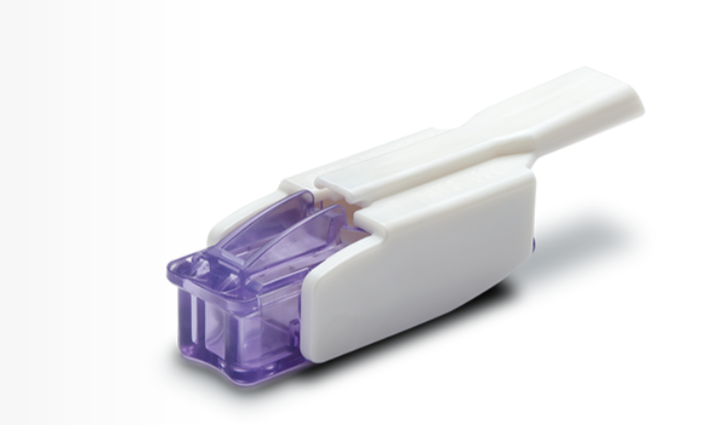
MannKind presented new Afrezza data at ADA 2026, reinforcing safety, efficacy, and patient satisfaction across pediatric diabetes, AID systems, and gestational diabetes following FDA’s pediatric approval.
Written By: Umesh Hanumante,
M.Pharm (Reg. Affairs)
Reviewed By: Pharmacally Editorial Team
MannKind Corporation presented new clinical and real-world data for Afrezza® (insulin human) Inhalation Powder at the American Diabetes Association (ADA) Scientific Sessions 2026, highlighting its use across pediatric diabetes, automated insulin delivery (AID) systems, and gestational diabetes. The findings follow the U.S. FDA’s May 2026 approval of Afrezza for children and adolescents aged 6 years and older with type 1 and type 2 diabetes.
The data further support Afrezza’s established safety and efficacy profile while providing new insights into treatment satisfaction, glucose management, and real-world outcomes across diverse patient populations.
Scientific and Clinical Context
Afrezza is the only FDA-approved ultra rapid-acting inhaled insulin for patients with diabetes. Using MannKind’s proprietary Technosphere® technology, the therapy delivers insulin through the lungs, allowing rapid absorption and a shorter duration of action than traditional injected rapid-acting insulin analogs.
This approach more closely mimics the body’s natural insulin response to meals and may help address challenges associated with postprandial glucose control and insulin stacking.
Pediatric Data Show Non-Inferior Control, Greater Satisfaction
Several presentations drew from the Phase 3 INHALE-1 trial, which evaluated Afrezza in children and adolescents with type 1 and type 2 diabetes.
A post hoc analysis showed that pediatric participants who achieved HbA1c levels below 8% after 26 weeks reported significantly greater treatment satisfaction with inhaled insulin compared with rapid-acting insulin analogs (RAAs). Improvements were observed among both adolescents and parents despite similar overall glycemic outcomes between treatment groups.
A separate subgroup analysis evaluated participants with baseline HbA1c levels of 9.5% or lower. Afrezza achieved non-inferior HbA1c reductions compared with RAAs after 26 weeks, while maintaining comparable time-in-range and a safety profile consistent with previous adult studies.
Emerging Evidence in Pregnancy and AID Integration
Investigators reported interim results from a randomized crossover study comparing inhaled insulin with RAAs in gestational diabetes mellitus (GDM). Afrezza demonstrated comparable efficacy, nominally lower postprandial glucose excursions, and fewer hypoglycemic events than RAAs. These exploratory findings support continued evaluation of inhaled insulin as a potential treatment option during pregnancy, though Afrezza is not currently approved for use in gestational diabetes.
Another exploratory analysis examined Afrezza alongside automated insulin delivery systems. Results suggested glycemic outcomes may depend on whether AID algorithms rely on total daily insulin dose calculations, with numerically greater HbA1c reductions observed in systems not dependent on total daily dose.
Clinical Implications and Patient-Centered Outcomes
New pharmacodynamic analyses demonstrated that more than 50% of Afrezza’s glucose-lowering activity occurred within 60 minutes, compared with about 10% for insulin lispro. Most of Afrezza’s effect was completed within two hours, supporting flexible post-meal dosing and potentially reducing the risk of insulin stacking.
Additional real-world studies found no increased incidence of lung cancer among adults with type 2 diabetes using inhaled insulin compared with other insulin-treated populations. Separate analyses showed increased Medicare Part D utilization following implementation of insulin cost caps under the Inflation Reduction Act, suggesting improved patient access to inhaled insulin.
Clinical Integration
Kevin Kaiserman, MD, Senior Vice President and Therapeutic Area Head of Diabetes at MannKind, said the new findings reinforce Afrezza’s safety and efficacy while highlighting benefits that extend beyond glycemic control into patients’ daily lives. He noted that the growing evidence base supports a more individualized approach to diabetes management.
Chief Executive Officer Michael Castagna added that the company remains focused on expanding treatment options, improving patient access, and advancing its diabetes pipeline.
Path Forward in Diabetes Care
The ADA 2026 presentations expand the evidence supporting Afrezza across pediatric and adult populations shortly after its FDA label expansion. In May 2026, the FDA expanded Afrezza’s label to include patients aged 6 years and older with both type 1 and type 2 diabetes, significantly broadening the therapy’s pediatric reach.
The company is also generating evidence in specialized populations, including pregnancy and technology-enabled insulin delivery, to inform future regulatory and clinical decision-making.” This emphasizes translational relevance without overpromising
Reference

About the Writer
Umesh Hanumante (M.Pharm) (LinkedIn) is a pharmacy professional and healthcare writer with a background in Regulatory Affairs, pharmaceutical innovation, and clinical research. He has around two years of industry experience as an Executive PMT at Troikaa Pharmaceuticals Ltd and qualified GPAT 2024. His areas of interest include regulatory compliance, dossier preparation, clinical trials, emerging therapies, and advancements in the global pharmaceutical and healthcare sector.