Gilead Sciences and WHO have renewed a five-year partnership to accelerate elimination of visceral leishmaniasis, pledging $9.2M and 400,000 vials of AmBisome® to expand access to treatment in high-burden regions, with a stronger focus on East Africa.
Written By: Cikkula Pavan Kumar, PharmD
Reviewed By: Pharmacally Editorial Team
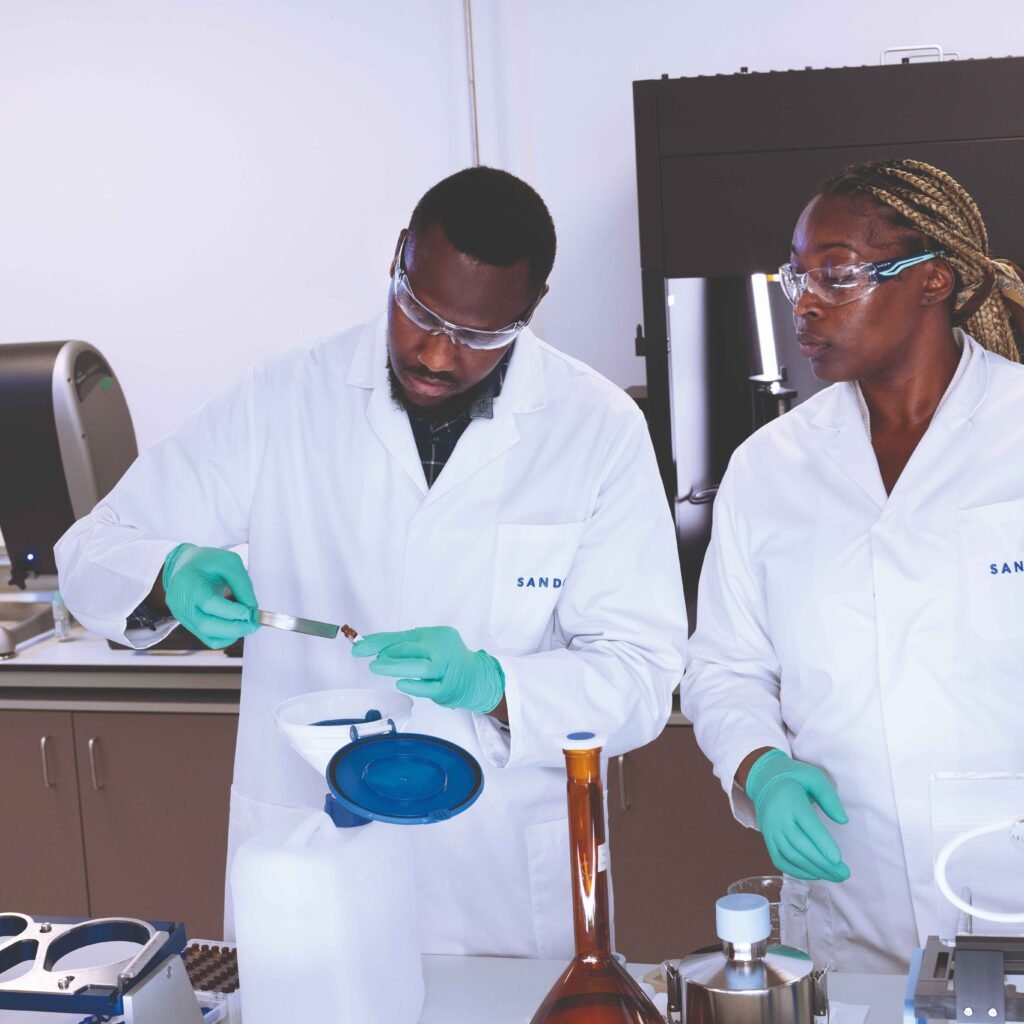
Gilead Sciences and the World Health Organization (WHO) have expanded their long-standing collaboration through a renewed five-year agreement aimed at accelerating the elimination of visceral leishmaniasis (VL), one of the world’s deadliest neglected tropical diseases. The partnership will provide large-scale medicine donations, financial support, and strategic collaboration to strengthen access to diagnosis and treatment in high-burden regions, with a stronger focus on East Africa.
Alignment with WHO Roadmap
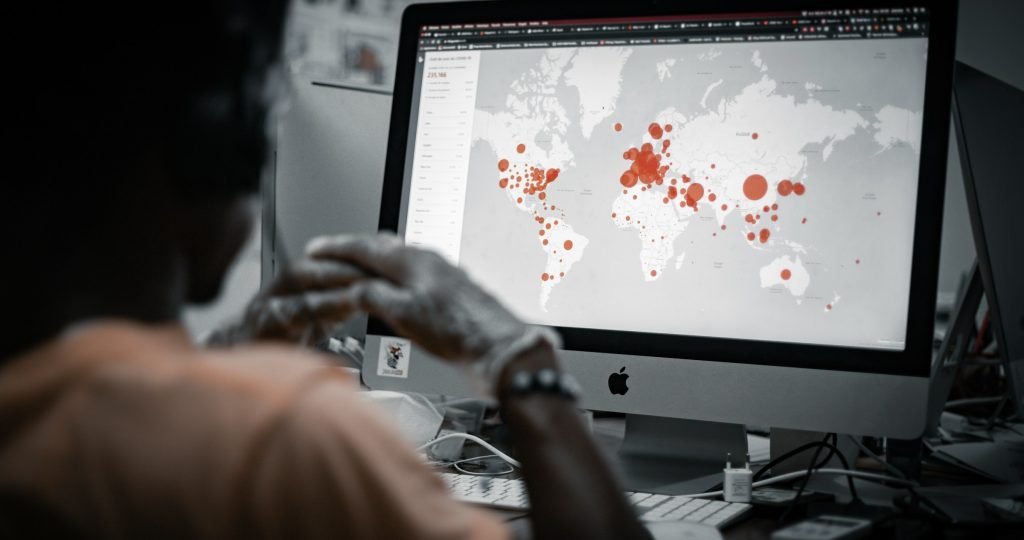
The initiative supports WHO’s Neglected Tropical Diseases Roadmap 2021–2030, which targets elimination of VL as a public health problem in endemic regions by 2030. VL remains a major challenge, with 50,000–90,000 new cases annually worldwide. The sandfly-borne disease attacks internal organs such as the spleen and liver and is fatal in more than 95% of untreated cases.
Expanded Commitments
Under the agreement, Gilead will donate more than 400,000 vials of AmBisome® (liposomal amphotericin B for injection) and provide $9.2 million in financial support through 2030. The program will reach countries representing approximately 74% of the global VL burden including Bangladesh, Ethiopia, Eritrea, India, Kenya, Nepal, Somalia, South Sudan, Sudan, Uganda, and Yemen while expanding assistance to Chad and Djibouti.
Daniel O’Day, Chairman and Chief Executive Officer of Gilead Sciences, said sustained investment and long-term collaboration have already contributed to substantial progress in endemic regions. He noted that the renewed partnership and expanded focus on East Africa are expected to accelerate access to diagnosis and treatment services while supporting ongoing elimination efforts in high-burden communities.
Dr. Jeremy Farrar, Assistant Director-General for Health Promotion, Disease Prevention and Care at WHO, emphasized that the agreement underscores the importance of strategic global partnerships in tackling neglected tropical diseases. He added that the collaboration will help strengthen healthcare systems, expand access to essential diagnostic and treatment tools, and support innovation in regions carrying the highest disease burden.
Proven Impact
Since the launch of the VL elimination program in Southeast Asia in 2005, the Gilead–WHO collaboration has contributed to a substantial decline in VL cases and more than 95% reduction in case fatality across the region. In 2023, Bangladesh achieved WHO validation for eliminating VL as a public health problem a milestone in global elimination efforts.
AmBisome® Safety Profile
AmBisome® remains a cornerstone therapy for VL. In the United States, the drug is FDA-approved for the treatment of VL. Important safety considerations include contraindication in patients with hypersensitivity to amphotericin B products and risk of severe anaphylactic reactions. Administration should follow recommended prescribing guidance and safety precautions.
Advancing Global Elimination Goals
The renewed partnership highlights the continued commitment of Gilead Sciences and WHO to advancing healthcare access in underserved communities and strengthening global efforts to eliminate neglected tropical diseases. By reinforcing healthcare infrastructure, expanding access to life-saving treatment, and supporting sustainable public health programs, the initiative is expected to accelerate progress toward WHO’s 2030 elimination goals.
Reference

About the Writer
Chikkula Pavan Kumar (LinkedIn), PharmD is a Doctor of Pharmacy with a keen interest in clinical pharmacy, pharmacovigilance, and evidence-based practice. In his words, he is passionate about patient safety and translating complex medical information into clear, research-driven communication.