
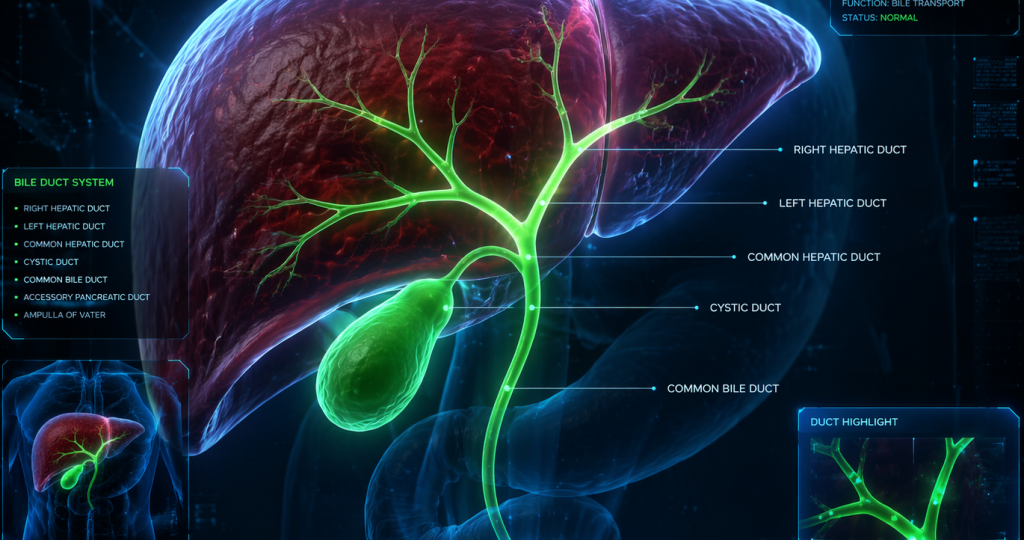
Partner Therapeutics submits sBLA to FDA for BIZENGRI targeting NRG1 fusion–positive cholangiocarcinoma, supported by eNRGy study data showing durable responses.
Written By: Mennatullah Mansour, PharmD
Reviewed By: Pharmacally Editorial Team
Partner Therapeutics, Inc. has submitted a supplemental Biologics License Application (sBLA) to the U.S. Food and Drug Administration seeking approval of BIZENGRI (zenocutuzumab-zbco) for adults with advanced, unresectable, or metastatic cholangiocarcinoma harboring neuregulin 1 (NRG1) gene fusions.
Cholangiocarcinoma, a rare and aggressive cancer of the bile ducts, has limited treatment options, particularly for patients with NRG1 fusion–positive disease. Currently, no therapies are specifically approved for this molecular subtype.
Clinical Evidence and Expert Perspective
The application is supported by results from the eNRGy study (NCT02912949), which evaluated zenocutuzumab-zbco in patients with NRG1 fusion–positive cancers. In the cholangiocarcinoma cohort, the therapy demonstrated an overall response rate of 36.8% (95% CI: 16.3–61.6%) and a median duration of response of 12.9 months, based on blinded independent central review. Treatment was generally well tolerated, with no discontinuations due to adverse events.
Pritesh J. Gandhi, Chief Development Officer at Partner Therapeutics, stated that the submission marks progress for a patient population with historically poor outcomes and limited options, while underscoring the importance of tissue-based RNA testing to detect rare oncogenic drivers such as NRG1 fusions.
Clinical investigators echo this view. Dr. James Cleary of the Dana-Farber Cancer Institute noted that the findings highlight NRG1 as an actionable biomarker and suggest that targeting HER2/HER3 signaling with zenocutuzumab may provide a viable treatment strategy.
The data have also informed clinical guidance. The National Comprehensive Cancer Network has incorporated zenocutuzumab-zbco into its Clinical Practice Guidelines for biliary tract cancers as a Category 2A subsequent-line therapy and a Category 2B option in the first-line setting for NRG1 fusion–positive disease.
Mechanism, Current Use, and Broader Implications
Zenocutuzumab-zbco is a bispecific antibody designed to block HER2/HER3 dimerization and inhibit signaling driven by NRG1 fusion proteins. These fusions act through chimeric ligands that bind HER3, activating downstream pathways that promote tumor growth.
BIZENGRI has already received accelerated approval from the FDA for patients with advanced non-small cell lung cancer and pancreatic adenocarcinoma harboring NRG1 gene fusions after progression on prior systemic therapy. The current sBLA aims to extend its use into cholangiocarcinoma, further advancing precision oncology approaches for rare, biomarker-defined cancers.
The submission also underscores the growing role of comprehensive molecular testing, including both DNA and RNA sequencing, in identifying actionable genetic alterations and guiding targeted treatment strategies.
Reference

About the Writer
Mennatullah Mansour is pursuing a PharmD and is based in Alexandria, Egypt. She is driven by a strong passion for continuous learning and professional development, with a focus on pharmaceutical care, patient health, and medication safety. Her interests include prescription processing, patient counseling, and interpreting clinical information. She brings a detail-oriented approach and a strong ability to translate medical knowledge into clear, accurate, and reliable content for healthcare audiences.