Denali Therapeutics Inc. regains full rights to DNL593 after Takeda Pharmaceutical Company ends collaboration; Phase 1/2 data expected in 2026.
Written By: Vennela Reddy, BPharm
Reviewed By: Pharmacally Editorial Team
Denali Therapeutics has announced that Takeda has decided to terminate their collaboration agreement for the co-development and co-commercialization of DNL593 (PTV:PGRN), an investigational therapy for frontotemporal dementia linked to granulin mutations (FTD-GRN). The companies clarified that the decision was based on strategic considerations and not related to safety or efficacy concerns.
Following the termination, Denali will regain full control of DNL593 and its associated intellectual property portfolio. The company has led development activities for the program to date and will now independently advance the therapy.
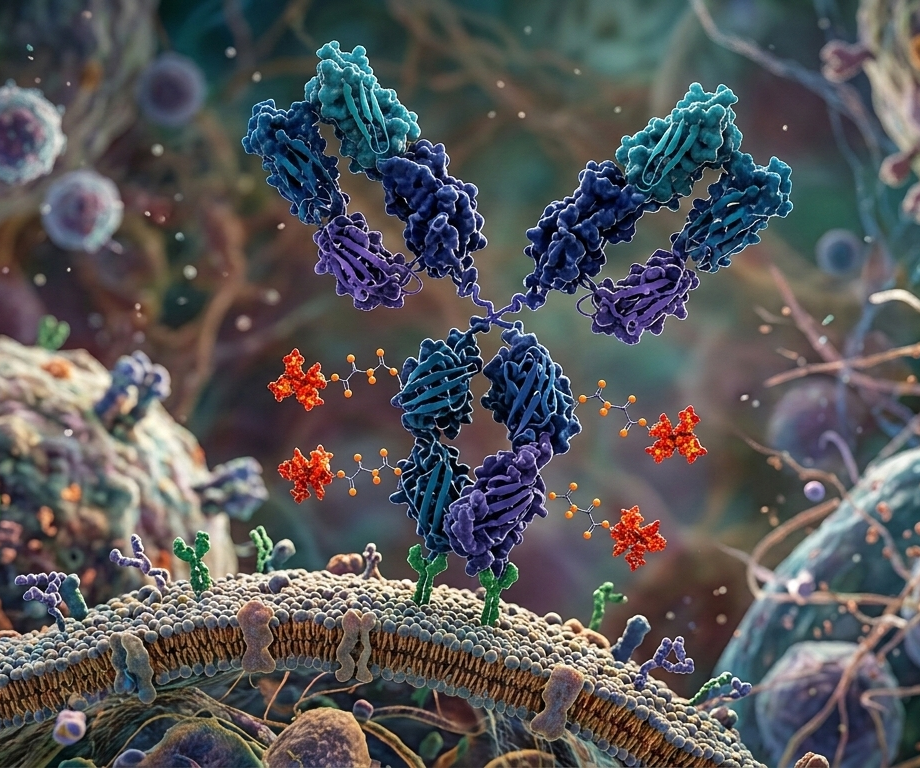
DNL593 is designed as a progranulin replacement therapy using Denali’s proprietary TransportVehicle platform. This technology enables delivery of therapeutic molecules across the blood-brain barrier, a major challenge in treating central nervous system disorders. The therapy aims to restore progranulin levels in the brain, which are reduced in patients with FTD-GRN due to mutations in the GRN gene.
Ryan Watts, Chief Executive Officer of Denali, stated that while the company valued the partnership with Takeda, it is encouraged to regain full ownership of the program. He emphasized continued confidence in the scientific rationale and the data generated so far, and confirmed plans to advance DNL593 independently. He also highlighted that the TransportVehicle platform represents a validated approach for delivering therapies across the blood-brain barrier, supporting a broader pipeline in neurodegenerative diseases.
Clinical development of DNL593 is ongoing. A Phase 1/2 study has completed enrollment with 40 participants diagnosed with FTD-GRN. Data from this study, including biomarker results, are expected by the end of 2026. Interim findings from Part A in healthy volunteers showed dose-dependent increases in cerebrospinal fluid progranulin levels, indicating effective brain delivery. The therapy has been generally well tolerated, with no significant safety concerns reported to date.
Frontotemporal dementia is the most common form of dementia in individuals under 60 years of age. It is characterized by progressive decline in behavior, personality, and language, and currently lacks approved treatments that can slow disease progression. Mutations in the GRN gene are among the leading genetic causes of this condition.
Denali’s TransportVehicle platform underpins DNL593 and other pipeline programs. The platform uses engineered Fc domains that bind to natural transport receptors at the blood-brain barrier, enabling therapeutic molecules to enter the brain through receptor-mediated transcytosis. Preclinical studies have shown significantly enhanced brain exposure for therapies using this technology compared to conventional approaches. The platform has been clinically validated, with multiple programs currently in development.
With full ownership restored, Denali will now take sole responsibility for the future clinical and regulatory development of DNL593.
Reference
Denali Therapeutics Regains Full Rights to Investigational Therapy DNL593 (PTV:PGRN) for GRN-related Frontotemporal Dementia (FTD-GRN), 03 April 2026, Denali Therapeutics Regains Full Rights to Investigational Therapy DNL593 (PTV:PGRN) for GRN-related Frontotemporal Dementia (FTD-GRN) | Denali Therapeutics

About the Writer
Vennela Reddy, BPharm is a pharmacy graduate with a keen interest in clinical research, pharmacovigilance, and medical writing, with a growing focus on publishable and scientific content development. In her words, she is passionate about translating complex medical data into clear, evidence-based communication.