
Priovant initiates a seamless Phase 2b/3 trial of brepocitinib in lichen planopilaris, expanding its late-stage pipeline into a rare autoimmune condition with no approved therapies
Written By: Chikkula Pavan Kumar, PharmD
Reviewed By: Pharmacally Editorial Team
Priovant Expands Brepocitinib into Lichen Planopilaris
Priovant Therapeutics has initiated a seamless Phase 2b/3 clinical trial evaluating brepocitinib in patients with lichen planopilaris (LPP), a rare inflammatory scalp disorder with no approved therapies. The first patients were enrolled in March 2026, positioning LPP as the fourth late-stage indication in the company’s expanding autoimmune pipeline.
The study is designed to support potential registrational pathways, subject to regulatory alignment, and reflects a broader strategy to accelerate development in high unmet-need autoimmune diseases.
Disease Background and Unmet Need
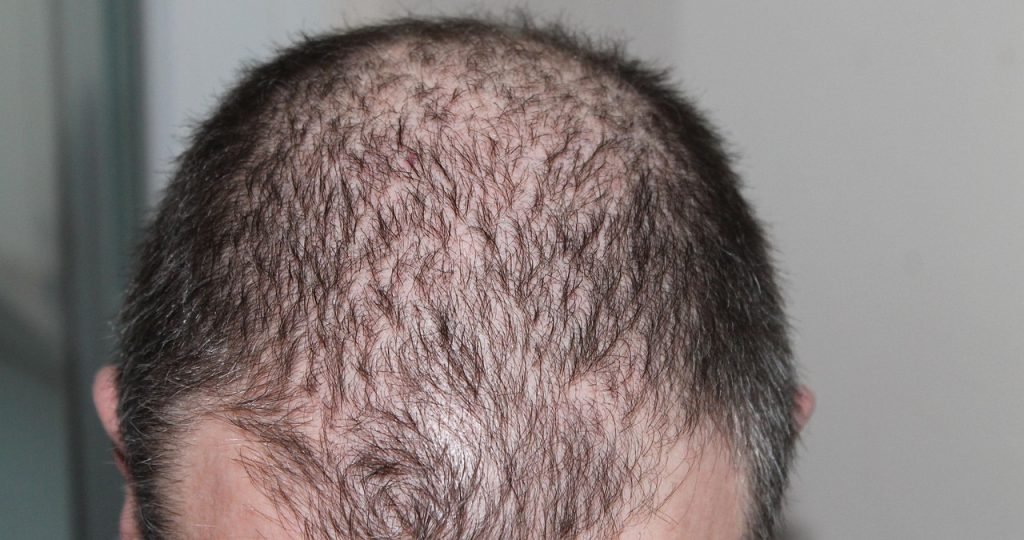
Lichen planopilaris is a chronic immune-mediated condition characterized by destruction of the hair follicle bulge region, resulting in cicatricial alopecia and permanent hair loss. Patients typically present with scalp pain, burning, pruritus, perifollicular erythema, and scaling, alongside progressive follicular dropout.
The disease often follows an aggressive course, and delayed intervention can lead to irreversible damage. Despite its clinical burden, there are currently no U.S. FDA-approved therapies for LPP, with treatment largely relying on off-label anti-inflammatory and immunosuppressive approaches.
Trial Design and Development Strategy
The newly initiated study uses a seamless Phase 2b/3 design that integrates dose-ranging and confirmatory stages within a single protocol. This approach enables adaptive progression based on interim analyses while maintaining statistical rigor.
The trial builds on prior signals from small investigator-initiated studies and a strong mechanistic rationale targeting cytokine-driven inflammation. The design is intended to improve development efficiency and reduce timelines in a rare disease setting.
Mechanism of Action of Brepocitinib
Brepocitinib is an oral dual inhibitor of tyrosine kinase 2 (TYK2) and Janus kinase 1 (JAK1). It modulates key cytokine pathways involved in autoimmune disease, including type I and II interferons and interleukin-12/23 signaling.
Through this dual inhibition, brepocitinib aims to reduce immune-mediated inflammation while maintaining pathway selectivity across multiple autoimmune conditions.
Safety Considerations
As a JAK/TYK2 pathway inhibitor, brepocitinib will be evaluated in the context of known class-related safety considerations, including risks of infection and other immune-related adverse events. Safety outcomes will be an important component of the ongoing clinical program.
Benjamin Zimmer, Chief Executive Officer of Priovant Therapeutics, stated that expanding brepocitinib into lichen planopilaris reflects the company’s focus on addressing serious autoimmune diseases with limited treatment options. He noted that the dual TYK2/JAK1 inhibition approach provides a differentiated strategy for targeting immune-driven conditions and supports development across a broader dermatology and rheumatology portfolio.
Pipeline and Regulatory Context
Brepocitinib is being developed across multiple late-stage autoimmune indications. In dermatomyositis, a New Drug Application is currently under Priority Review by the U.S. Food and Drug Administration, with a PDUFA action date anticipated in the third quarter of 2026.
Additional programs include an ongoing Phase 3 trial in non-infectious uveitis, with topline data expected in 2026, as well as a planned Phase 3 study in cutaneous sarcoidosis. The addition of lichen planopilaris further expands brepocitinib’s potential as a multi-indication therapy across dermatologic and rheumatologic diseases.
References
Priovant Expands Brepocitinib Development Program with New Phase 2b/3 Trial in Lichen Planopilaris (LPP), 02 April 2026, Priovant Expands Brepocitinib Development Program with New

About the Writer
Chikkula Pavan Kumar, PharmD is a Doctor of Pharmacy with a keen interest in clinical pharmacy, pharmacovigilance, and evidence-based practice. In his words, he is passionate about patient safety and translating complex medical information into clear, research-driven communication.