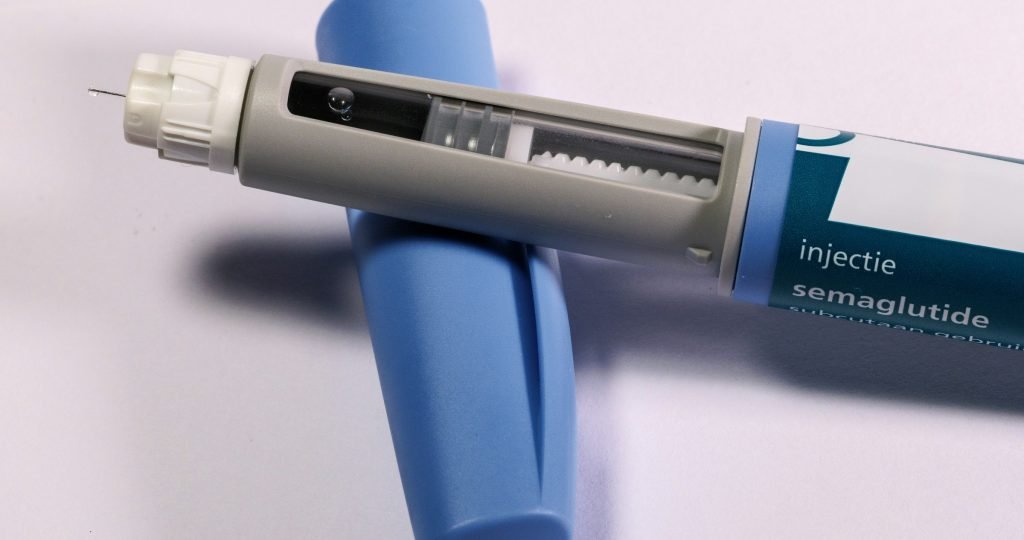
India’s semaglutide market is undergoing rapid transformation after the March 2026 patent expiry of Novo Nordisk’s GLP-1 drug. Multiple Indian pharma companies have launched branded generics, triggering steep price reductions and intensifying competition in the diabetes and obesity treatment landscape.
Written By: Chikkula Pavan Kumar PharmD
Reviewed By: Pharmacally Editorial Team
The expiry of Novo Nordisk’s core semaglutide patent in India on March 20, 2026 marked a major turning point for the country’s diabetes and obesity treatment landscape. Within hours of the patent lapse, Indian pharmaceutical manufacturers introduced a wide range of branded generic versions of the GLP-1 receptor agonist, triggering one of the fastest competitive launches seen in the domestic pharmaceutical market.
Novo Nordisk said it will closely monitor India’s rapidly expanding semaglutide generic market after the drug’s patent expiry triggered an expected surge of more than 50 competing brands from about 40 domestic pharmaceutical companies.
The sudden availability of lower-priced alternatives has sharply reduced treatment costs. Monthly therapy that previously cost around ₹8,800–₹16,000 with originator brands such as Ozempic and Wegovy is now available in the range of ₹1,290–₹5,000, depending on the product format and dosage strength.
For a country with more than 100 million people living with type 2 diabetes and a rapidly increasing obesity burden, the arrival of affordable semaglutide options significantly expands patient access. The price shift is particularly important in India’s largely out-of-pocket healthcare system, where cost remains a major barrier to long-term chronic therapy.
Rapid launch wave reflects India’s branded-generic model
India’s pharmaceutical ecosystem is well known for its branded-generic strategy, where companies market the same molecule under distinct brand identities. The semaglutide rollout followed this model, with multiple companies introducing their own brands almost immediately after patent expiry.
Several major pharmaceutical companies quickly established an early presence in the market:
- Sun Pharma introduced its semaglutide injection brands Noveltreat and Sematrinity, offering pre-filled pen formats across multiple dose strengths.
- Dr. Reddy’s Laboratories launched Obeda, positioned as a DCGI-approved semaglutide therapy for type 2 diabetes management.
- NATCO Pharma, known for aggressive pricing strategies, introduced Semanat and Semafull in vial formats aimed at affordability and volume adoption.
- Glenmark Pharmaceuticals entered the obesity segment with GLIPIQ, a once-weekly injectable targeting weight-management demand.
- Additional launches from companies such as Zydus Lifesciences, Lupin, Alkem Laboratories, and Torrent Pharmaceuticals further expanded the range of available branded generics.
While the active ingredient remains the same, companies compete through branding, delivery systems, physician engagement, and distribution reach.
Early pricing trends signal intense competition
The first wave of launches has already created a wide pricing spectrum across different product formats. Vial-based generics have generally entered the market at lower prices, while pen-based delivery systems command a moderate premium due to convenience and device design.
Company | Brand | Pricing disclosed in announcement | Approx. Monthly Cost (₹) |
|---|---|---|---|
| NATCO Pharma | Semanat / Semafull | Multi-dose vials: ₹1,290/month (2 mg/1.5 ml & 4 mg/3 ml); ₹1,750/month (8 mg/3 ml). Pen device: ₹4,000, ₹4,200, and ₹4,500/month for the same strengths (launch expected April 2026). | 1,290–4,500 |
| Dr. Reddy’s Laboratories | Obeda | Patient cost ₹4,200 per month for both available strengths. | 4,200 |
| Sun Pharmaceutical Industries | Noveltreat | ₹900–₹2,000 weekly depending on dose. | ~3,600–8,000* |
| Sun Pharmaceutical Industries | Sematrinity | ₹750–₹1,300 weekly depending on dose. | ~3,000–5,200* |
| Glenmark Pharmaceuticals | GLIPIQ | ₹325–₹440 weekly therapy cost. | ~1,300–1,760* |
| Torrent Pharmaceuticals | Sembolic / Semalix | Pricing not disclosed in company announcement. | Not disclosed |
*Monthly estimates calculated assuming four weekly doses, based on company-reported weekly therapy pricing.
As more competitors’ scale production, industry analysts expect further price compression, particularly in lower-dose segments used during treatment initiation.
Indication positioning still evolving
Most companies launching semaglutide generics in India are positioning their products to address both type 2 diabetes and obesity, reflecting the molecule’s established dual clinical use globally. Several launch announcements reference these indications, even though detailed dose-strength strategies and titration schedules have not yet been fully disclosed.
For example, Torrent Pharmaceuticals has indicated that its semaglutide brands are intended for both type 2 diabetes and obesity, although specific dose strengths have not been publicly detailed. Similarly, NATCO Pharma has announced dose ranges for its semaglutide products but has not separately outlined indication-based positioning.
Some companies have taken a clearer stance in their initial communications. GLIPIQ from Glenmark Pharmaceuticals has been introduced specifically for type 2 diabetes management, according to the company’s announcement, without a stated obesity indication.
As companies release fuller details on dose strengths, titration schedules, and product positioning, clearer segmentation between diabetes-focused and obesity-focused strategies may emerge in the evolving semaglutide market.
The rapid emergence of affordable semaglutide options is expected to expand the overall GLP-1 therapy market in India rather than simply shift market share between brands.
Lower prices are likely to:
- increase physician willingness to prescribe GLP-1 therapies earlier in diabetes treatment
- broaden access in tier-2 and tier-3 cities
- accelerate adoption in obesity management, an area that previously remained limited due to high treatment costs
Beyond domestic demand, India’s early generic entry could also strengthen its position as a low-cost supply base for emerging markets where patent protections may expire earlier than in the United States or Europe.
Regulatory considerations for peptide generics
Despite the rapid launches, semaglutide generics required regulatory scrutiny due to the complexity of peptide-based injectable drugs.
The Central Drugs Standard Control Organisation (CDSCO) required manufacturers to provide:
- bioequivalence and pharmacokinetic data
- stability studies
- manufacturing quality validation
- device comparability data where pen injectors are used
Some companies opted to launch vial-based formulations rather than fully replicate proprietary pen systems, which may still be covered by secondary patents related to delivery devices or stabilized formulations.
Product labeling also aligns with global safety information, highlighting potential adverse effects such as gastrointestinal symptoms, pancreatitis risk, and rare thyroid-tumor signals observed in animal studies.
Manufacturers are required to submit post-marketing safety data under India’s pharmacovigilance framework as patient exposure increases.
Competitive outlook: scale, pricing, and distribution will decide winners
The Indian semaglutide market is expected to evolve quickly from a launch phase into a consolidation phase. With market potential estimated to exceed ₹5,000 crore, companies with strong chronic-care portfolios and nationwide distribution networks are likely to gain an advantage.
Over the next 12–24 months, market competition will largely depend on pricing, reliable product supply, convenient delivery formats such as pens or vials, and how quickly physicians adopt and prescribe these new semaglutide brands.


About the Writer
Chikkula Pavan Kumar, PharmD is a Doctor of Pharmacy with a keen interest in clinical pharmacy, pharmacovigilance, and evidence-based practice. In his words, he is passionate about patient safety and translating complex medical information into clear, research-driven communication.