Sandoz and Samsung Bioepis expand their biosimilar partnership covering up to five assets, including SB36 vedolizumab candidate, targeting a $320 billion market opportunity.
Written By: Anand Sathappan BPharm
Reviewed By: Pharmacally Editorial Team
Sandoz has entered into a global license, development and commercialization agreement (DCA) with Samsung Bioepis covering up to five biosimilar candidates, strengthening their long-standing partnership and expanding access to biologic medicines worldwide.
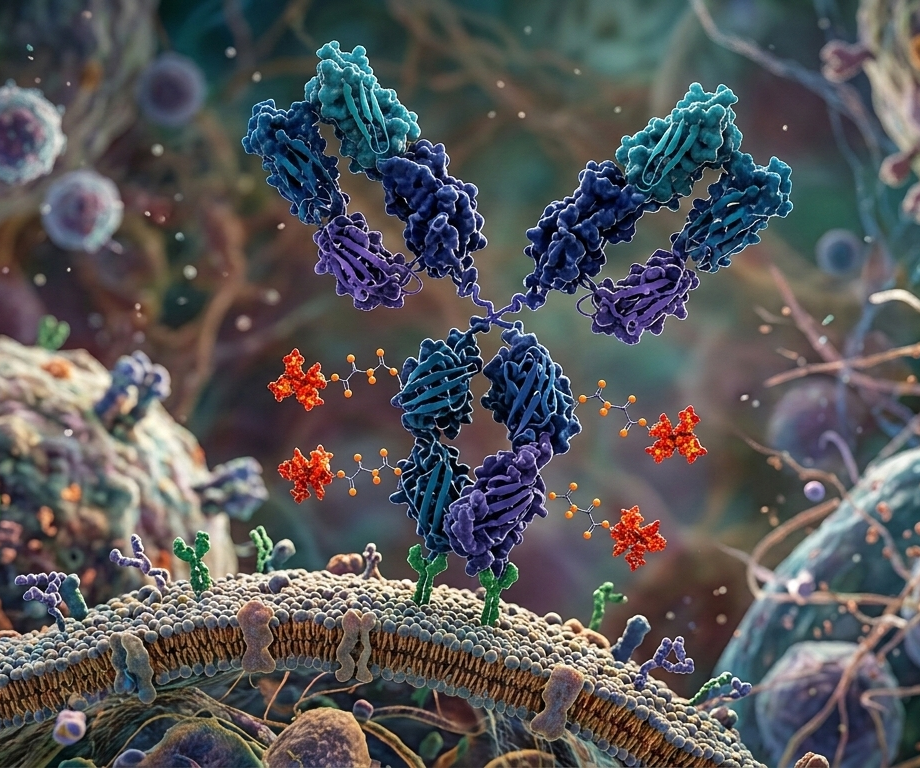
The collaboration will initially focus on SB36, a biosimilar candidate referencing vedolizumab (Entyvio), which is currently in pre-clinical development. Vedolizumab is approved for the treatment of adult patients with Crohn’s disease, ulcerative colitis and pouchitis.
Under the terms of the agreement, Samsung Bioepis will lead development, manufacturing and regulatory registration in key markets, while Sandoz will hold exclusive commercialization rights across global markets, excluding China, Hong Kong, Taiwan, Macau and South Korea. Financial terms of the deal were not disclosed.
The agreement could expand Sandoz’s biosimilar pipeline to up to 32 assets, positioning the company to capture a share of the estimated $320 billion biologics loss-of-exclusivity opportunity expected over the next decade.
Sandoz CEO Richard Saynor said the partnership reinforces the company’s strategy to broaden access to high-quality, affordable biologic medicines while strengthening its collaboration with Samsung Bioepis.
Samsung Bioepis CEO Kyung-Ah Kim added that the agreement marks further progress in advancing early-stage biosimilars and improving access for patients with serious, chronic conditions through global partnerships.
The new deal builds on an existing collaboration between the two companies. Their partnership on PYZCHIVA (ustekinumab biosimilar) led to launches in Europe in July 2024 and the United States in February 2025. In December 2025, the companies also signed a regional commercialization agreement for EPYSQLI (eculizumab biosimilar) in the Middle East and Africa.
Sandoz currently markets biosimilars across 13 molecules in nearly 100 countries, while Samsung Bioepis continues to expand its pipeline through a development-led model supported by global commercialization partners.
Reference
Sandoz announces partnership agreement with Samsung Bioepis on up to five biosimilars, further expanding its leading pipeline to up to 32 assets, 18 March 2026, Sandoz announces partnership agreement with Samsung Bioepis | Sandoz
Samsung Bioepis Enters into Partnership Agreement with Sandoz for Up to Five Next-Generation Biosimilar Candidates, 18 March 2026, SAMSUNG BIOEPIS


About the Writer
Anand Sathappan is a pharmacy graduate with interests in pharmaceutical sciences, pharmacology, and medical writing. He also holds certification in medical coding and has familiarity with pharmacology and healthcare documentation. He has completed the Medical Writing Skills for Beginners program offered by the International Medical Writers Association (IMWA). His work focuses on exploring developments in pharmaceuticals and presenting scientific information in a clear and structured manner.