
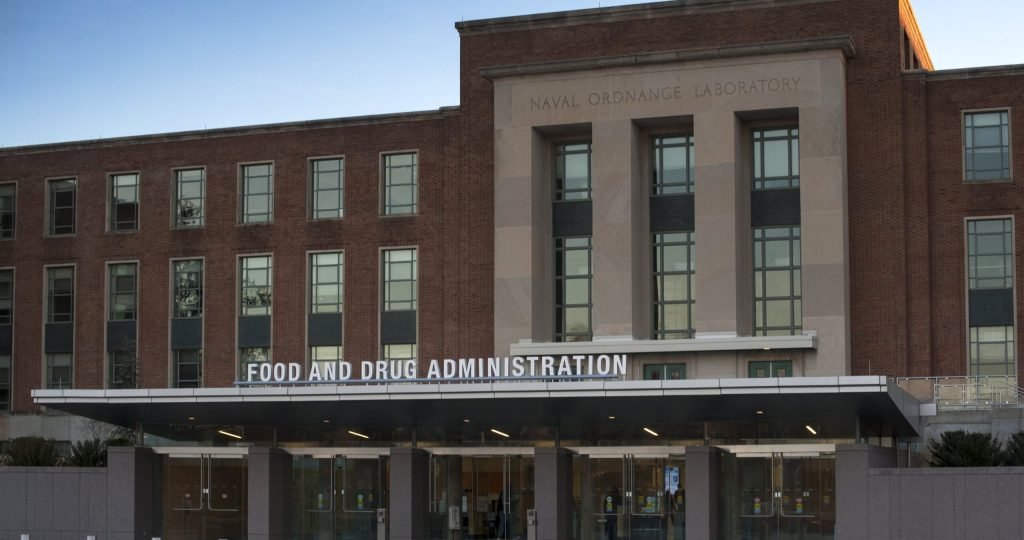
FDA issues warning letters to 30 telehealth companies for misleading marketing of compounded GLP-1 drugs, intensifying regulatory scrutiny of online pharmaceutical promotions.
Written By: Pharmacally Medical News Desk
The U.S. Food and Drug Administration (FDA) has issued warning letters to 30 telehealth companies accused of false or misleading claims about compounded GLP-1 products on their websites.
This action, announced on March 3, 2026, marks the second wave of such enforcement since the agency’s crackdown began in September 2025.
FDA Commissioner Marty Makary emphasized that while compounded drugs serve vital roles during shortages or for unique patient needs, they must not bypass FDA approval processes.
Key Violations Identified
Telehealth firms violated rules by implying their compounded GLP-1s match FDA-approved drugs like semaglutide (Ozempic, Wegovy), without evidence of safety, efficacy, or quality review.
Companies often branded products with their own names or trademarks, obscuring external sourcing and misleading consumers into believing they were the compounders. These practices render the products misbranded under federal law.
Broader Enforcement Context
Over the past six months, the FDA has sent thousands of warning letters to pharmaceutical and telehealth entities for deceptive ads far exceeding the prior decade’s total.
Examples include prior actions against Hims & Hers for mass-marketing compounded GLP-1s and other firms like Kin Meds, GoodGirlRx, WeightCare, and PharmaZee in this batch. The agency monitors claims across all media platforms, signaling a “new era” of swift regulatory response.
Compounded vs. Approved GLP-1 Drugs
Aspect | Compounded GLP-1s | FDA-Approved GLP-1s (e.g., Wegovy) |
FDA Review | None for safety, efficacy, quality | Full clinical trials and approval |
Use Case | Customized for allergies/shortages | Standardized weight loss/diabetes treatment |
Marketing | Cannot claim equivalence | Regulated claims with side effect disclosure |
Risks | Monitored post-market surveillance |
Compounded drugs differ from generics, which undergo FDA approval. The FDA urges compounders to avoid copying approved drugs without clinical differences.
Implications for Industry and Patients
Telehealth providers must respond in writing, detailing corrective actions like disclosing sourcing, updating labels, or removing claims. This escalation, amid GLP-1 demand for obesity treatment, prioritizes patient safety over unauthorized copies. Experts anticipate stricter oversight, including potential legislation like the SAFE Drugs Act. Patients should consult providers and verify FDA-approved options to avoid unverified products.
Reference
FDA Warns 30 Telehealth Companies Against Illegal Marketing of Compounded GLP-1s, 03 March 2026, https://www.fda.gov/news-events/press-announcements/fda-warns-30-telehealth-companies-against-illegal-marketing-compounded-glp-1s
Warning Letters, 03 March 2026, https://www.fda.gov/inspections-compliance-enforcement-and-criminal-investigations/compliance-actions-and-activities/warning-letters
FDA Commissioner Makary Indicates Compounding Crackdown, 27 February 2026, https://www.lachmanconsultants.com/2026/02/fda-commissioner-makary-indicates-compounding-crackdown/